
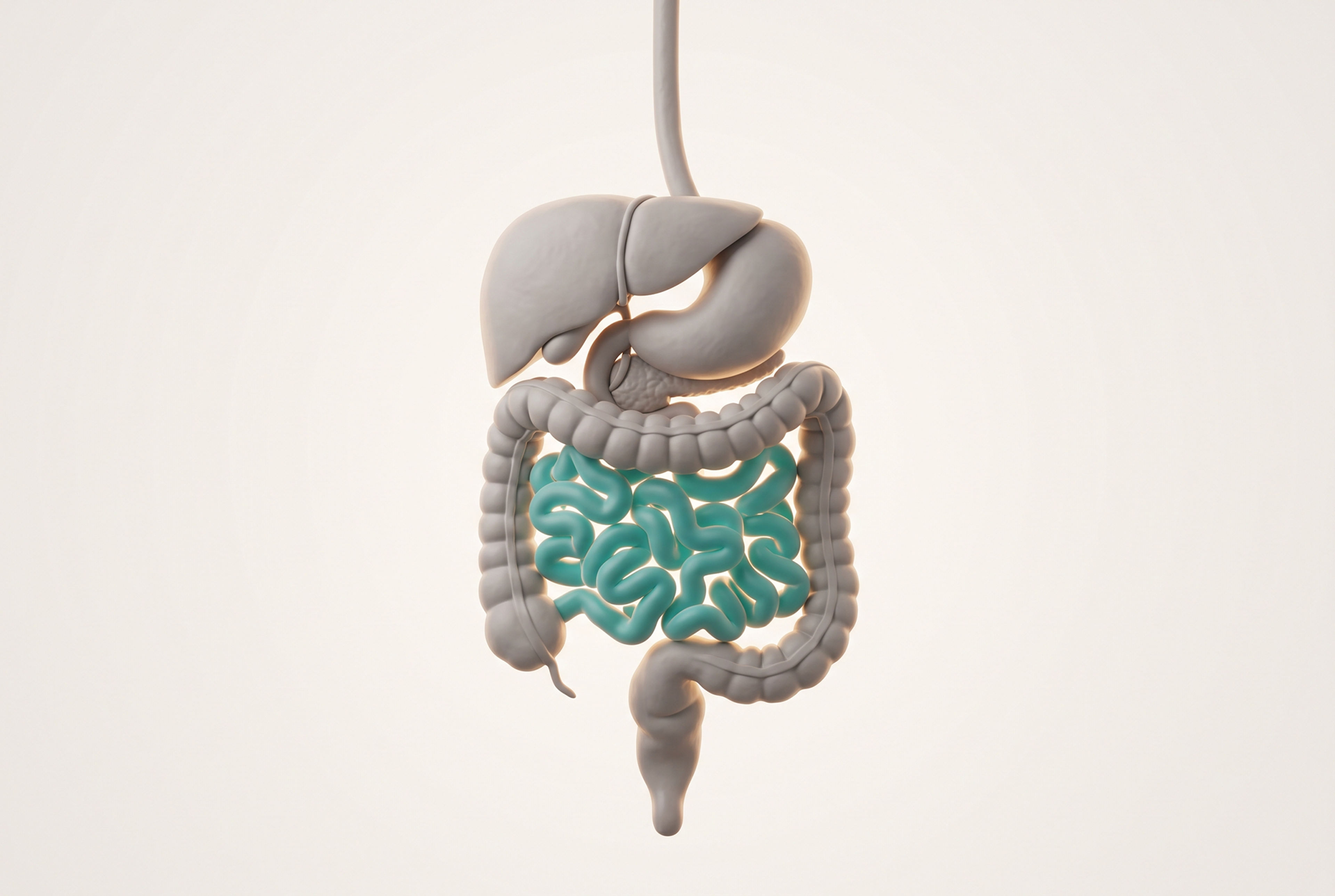
If you have been experiencing ongoing bloating, abdominal discomfort, diarrhoea or unexplained digestive symptoms, you may have heard of Small Intestinal Bacterial Overgrowth (SIBO). While the name sounds complicated, SIBO is a treatable condition that can be identified and managed with the right care.
What is SIBO?
Your digestive system contains trillions of bacteria that help keep your gut healthy. Most of these bacteria normally live in the large intestine (colon).
SIBO occurs when too many bacteria grow in the small intestine, where there are usually far fewer bacteria. This excess bacterial growth can interfere with digestion, causing food to ferment too early and making it harder for your body to absorb important nutrients.
What are the symptoms?
Symptoms of SIBO can vary from person to person and may include:
- Bloating, especially after eating
- Abdominal pain or discomfort
- Excessive wind
- Diarrhoea, constipation, or alternating between both
- Feeling overly full after small meals
- Fatigue or low energy
- Unexplained weight loss (less common)
Many of these symptoms can also occur with other digestive conditions, so it is important to have a proper medical assessment.
What causes SIBO?
SIBO often develops when something slows the normal movement of food through the small intestine or changes its structure. Common contributing factors include:
- Conditions that affect gut movement
- Previous abdominal or bowel surgery
- Structural changes in the small intestine, such as diverticula
- Digestive conditions such as coeliac disease or Crohn’s disease
- Certain medications, including some acid-suppressing medicines, opioids and repeated courses of antibiotics
Sometimes, more than one factor is involved.
How is SIBO treated?
Treatment aims to reduce the excess bacteria, improve symptoms and address any underlying cause.
Your treatment plan may include:
Antibiotics
Specific antibiotics may be prescribed to reduce bacterial overgrowth. The choice of medication depends on your symptoms and test results.
Dietary changes
Some people benefit from temporary dietary changes, such as a low FODMAP diet, which reduces certain carbohydrates that bacteria ferment. Because this diet can be restrictive, it is often best undertaken with guidance from an accredited practising dietitian.
Correcting nutritional deficiencies
If SIBO has affected nutrient absorption, your doctor may recommend supplements such as vitamin B12 or iron.
Treating underlying conditions
Managing conditions that contribute to SIBO can help reduce the chance of symptoms returning.
Can SIBO come back?
Unfortunately, SIBO can recur, particularly if the underlying cause cannot be fully corrected. If symptoms return, your gastroenterologist may recommend further assessment or additional treatment.
Long-term management focuses on treating the underlying condition where possible and developing a plan to help minimise recurrence.
When should you see a gastroenterologist?
If you have persistent bloating, diarrhoea, constipation, abdominal pain or unexplained digestive symptoms that are affecting your quality of life, it is worth seeking specialist advice.
A gastroenterologist can determine whether SIBO or another digestive condition may be responsible for your symptoms and recommend the most appropriate investigations and treatment.